Test HTML

Easily test your HTML online with this tool. The simple tool ensures your web pages are error-free and fully compliant with official HTML spec. The test HTML tool scans your HTML code, identifies any errors or warnings, and provides clear and actionable feedback to help you improve your code.
★ ★ ★ ★ ★

Tiiny Host is used by 2,000,000+ happy users
Features

What else is there?

📋 Copy & Paste

Instantly test your HTML code in our editor. Just copy & paste your code to see the output.

🛠️ Fix Errors

Ensure your HTML, JavaScript, and CSS code is error-free and standards-compliant.

⚙️️ JavaScript & CSS Compatible

Test HTML with JS & CSS code.

🆓 Free

Completely free to test HTML with no limits. No sign-up, download or installation required.

🕵️ Private

Your code on this page is never saved on our servers.

🔗 Share as a link

Publish your tested code as a webpage to share as link in seconds through the Tiiny platform.

Host Your Tested HTML Code

In 3 easy steps

1. Select HTML file

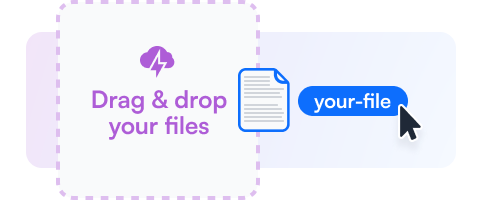
Head to tiiny.host and drag & drop your HTML file

2. Customize url

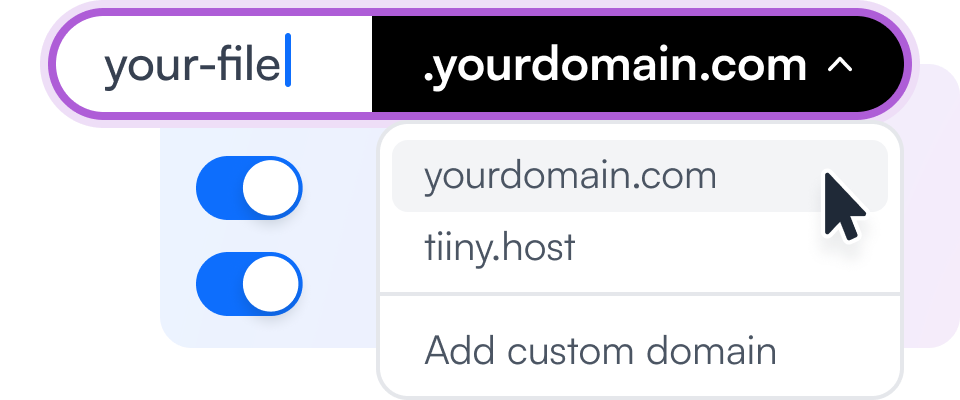
Set a link-name and apply any relevant settings

3. Publish & share

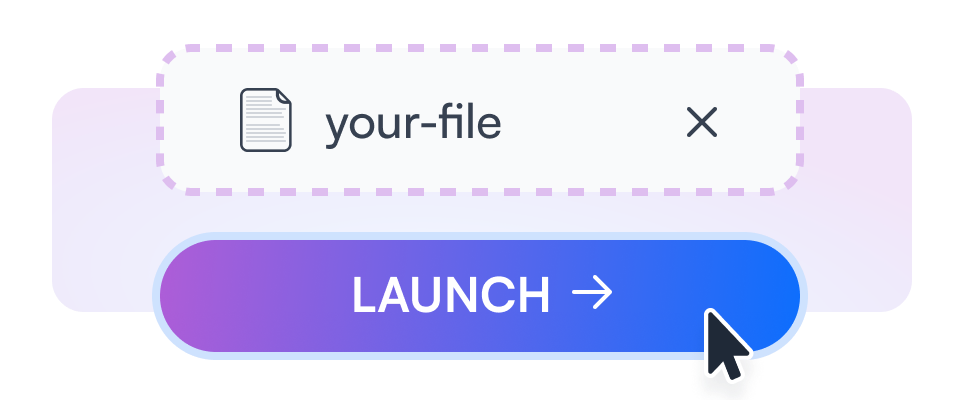
Click Publish & share your a unique link to your rendered HTML

Easier to Test HTML online than
Popular HTML editors and sandboxes

CodePen

JSFiddle

W3Schools Tryit Editor

JSBin

CodeSandbox

Replit

Examples of HTML file uploads

Perfect for

Testing

Test your HTML page works on a real web server.

Prototyping

Sharing your HTML prototype with colleague or clients.

Embedded content

Code snippets such as YouTube videos or iframes can be simply added to a html page and uploaded in seconds.

Resources

Useful HTML Posts From Our Blog

How to Upload HTML File to a Website

Learn how to upload and host your HTML file to a website. Write HTML Files from your browser and share them directly with a link...

How to Add JavaScript to HTML

Let’s say you want to add more functionality or interactivity to your site. Can you do it? Sure. How do you do it? By adding JavaScript code to your HTML web pages...

How to Edit an HTML File: Basics for Beginners

Mistakes, typos, and errors on your web pages are not only annoying. They detract from your reputation...

Frequently Asked Questions

What is a HTML viewer?

A HTML viewer allows to render a HTML file or HTML code into a visual format. It features a split pane view allowing you to live-edit the code and view the changes instantly.

What is HTML viewer used for?

A HTML viewer is a tool used for previewing HTML code as it would appear in a web browser, without the need to upload the code to a live server. It offers instant visualization of changes, helps in detecting errors, ensures web standards compliance, and aids in the debugging process. This tool is essential for developers and designers to streamline their workflow, test prototypes, and improve the quality of web pages.

How can I test my HTML code?

You can test your HTML code by pasting it into an online HTML viewer or editor, which renders the markup instantly in a preview pane. Simply enter your code on the left, and the visual output appears on the right in real time. This lets you catch layout issues, broken tags, and styling errors without setting up a local environment or uploading anything to a server. It works for everything from a single element to a full page.

What is the HTML test?

An HTML test is the process of checking that your HTML code renders and behaves correctly before publishing it. This includes verifying that elements display as intended, tags are properly opened and closed, links and images load, and the page follows web standards. Testing HTML helps you spot errors early, confirm cross-browser compatibility, and ensure your page looks and functions the way you expect.

How to test HTML in Notepad?

To test HTML written in Notepad, save your file with a .html extension instead of .txt (for example, page.html), then double-click the saved file to open it in your default web browser and see how it renders. Each time you edit the code in Notepad, save the file and refresh the browser to view your changes. For a faster workflow, you can paste your code directly into an online HTML viewer, which shows the rendered result instantly as you type, with no saving or refreshing required.

How to test HTML locally?

You can test HTML locally by saving your code as a .html file and opening it directly in a web browser, which renders the page without needing an internet connection or a live server. For pages that load external files or use relative paths, running a simple local server (such as with the VS Code Live Server extension or a lightweight command-line server) gives you more accurate results. If you want to skip setup entirely, an online HTML viewer lets you paste your code and preview it instantly in the browser.

How to test HTML code?

The quickest way to test HTML code is to paste it into an online HTML viewer, which renders your markup instantly in a live preview pane so you can see exactly how it will look in a browser. You edit on one side and watch the result update in real time on the other, making it easy to confirm that elements display correctly and tags are properly closed. This helps you catch broken tags, layout problems, and styling errors early, without saving files, installing software, or setting up a local environment. It works for anything from a single snippet to a complete HTML document.

How to test HTML code in a browser?

To test HTML code in a browser, save your code as a file with a .html extension and double-click it to open it in Chrome, Firefox, Safari, or Edge, where it renders just as it would on a live site. After each edit, save the file and refresh the browser to see your changes. For a faster approach, an online HTML viewer lets you paste your code and preview the rendered output instantly in the browser, with no files to save or refresh.

How to test HTML code in Chrome?

To test HTML code in Chrome, save your code with a .html extension and open the file in Chrome, or drag it directly into a browser tab to see it render. You can then right-click and choose Inspect to open Chrome DevTools, where you can examine elements and debug your markup. For instant results without saving files, paste your code into an online HTML viewer, which renders the output live in the browser as you edit.

Host HTML File